Easy box breath
Breathe in four, hold four, out six, pause two—shorten any step if you feel dizzy.
Quiet inhales, steady exhales, and a trunk that moves without drama—tools for planks, squats, and long walks home.
01.
Heavy ribs, relaxed neck
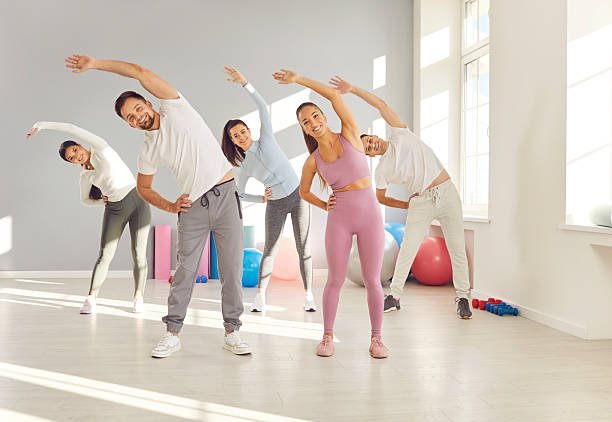
When side reaches keep the lower ribs from popping up, breathing feels smoother and the neck often stops “helping” so hard. In planks that usually means shoulders can settle instead of crowding the ears. You are not forcing a joint; you are giving your middle a calmer job so arms can push without borrowing tension from your jaw.
02.
Soft exhale on the tough inch
A gentle exhale through pursed lips during the hardest part of a squat or push-up steadies the trunk for many people. Think of blowing dust off a record—smooth, steady, not a blast that leaves you dizzy. If breathing feels forced, we shorten the range or add a hand support.
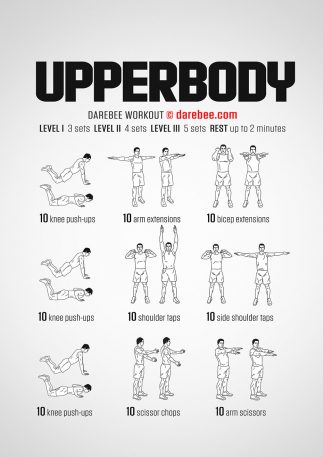
Lie on your back, knees bent, hands on the lower ribs. Breathe in so the ribs widen sideways without lifting the chin. Breathe out until you feel finished—not straining for a performance. When you stand up later, your calves still help pump blood; this drill simply pairs breathing with calm contact on the floor.
In planks we like a soft hiss on the hardest moment so shoulders feel less rushed. We describe feelings, not medical outcomes.
Bracing means getting ready to move, not holding your breath until you see spots. Think snug seatbelt, not corset laced to the max. On squats we might inhale at the top, then hiss lightly on the way up. On carries we match breath to steps.
Dead bugs move arms and legs while ribs stay quiet on the floor. Bird dogs add opposite reaches that feel like walking in slow motion. Both teach trunk timing in words you can repeat at home.
Breathe in four, hold four, out six, pause two—shorten any step if you feel dizzy.
Lie face down, feel the stomach lift the mat gently—nice before hinge-heavy days.
When the playlist softens near the end, we line exhales up with the beat so bodies get the hint to downshift. Sensations like warmth in the hands vary from person to person; we treat them as subjective feedback, not something we diagnose or measure.
If you cannot catch your breath at rest, pause and check in with a clinician you trust.
Forearm planks keep elbows under shoulders so wrists rest. Side planks can use a wall touch for the top foot when balance wiggles. Rotation stays small—cross reaches without flinging.
We still call side muscles “side corsets” sometimes. Laughing is allowed; it changes the breath in a good way.
Spring can tickle throats; we keep tissues by the chalk rail. If your doctor suggests a rinse at home, that is your routine—not ours to supervise. Wind off the harbor means scarf-friendly warm-ups before breath walks.
Keep inhalers or similar devices beside your mat. We do not teach forced over-breathing drills. If hand tingling lasts more than a moment after easing off, stop and tell the coach. Pregnant participants: bring your care team’s guidance; we offer side-lying breath options when that fits their advice.
| Date | Session | Breath focus | Location |
|---|---|---|---|
| 8 June 2026 | Harbor exhale walk | Step timing with nasal breath | Outdoor |
| 22 June 2026 | Studio ribcage lab | Dead bugs plus simple breath maps | Indoor |
Yes, prioritize comfort; return to nasal breathing when passages clear.
No, not in our curriculum. We stay movement-focused.