01.
Squat depth: find what fits your ankles today
Going “ass to grass” is not a prize. Depth is the place where your hips, knees, and ankles can bend together without your heels popping up or your back rounding early. If the heel lifts, a thin lift under the foot or a slightly wider stance often helps. The goal is a squat you can breathe in—not a contest with yesterday’s you.
02.
Hip hinge: teach your hamstrings to share the job
A hinge is a small sit-back with a long spine, like closing a car trunk with care. Hamstrings stay long but engaged so your lower back does not round too soon. That pattern is the same idea as picking up grocery bags or a bike with a calm torso.
What changes in a bodyweight squat
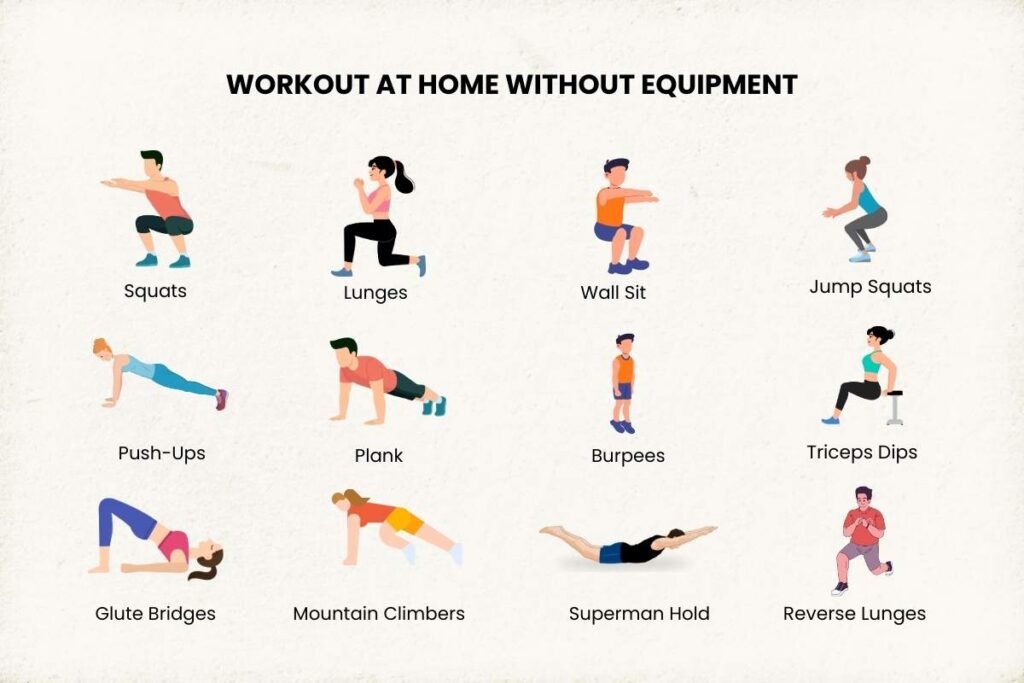
Hips, knees, and ankles fold together so your weight stays over your feet. Front thighs work as you lower; hips help more as you stand. Feet make tiny adjustments so you do not sway like a metronome. “Knee over toe” is only part of the story—the whole leg rotates a little as you bend.
When you slow the descent, you can feel weight roll from mid-foot to forefoot and back. If you always live on your toes, your chest may be leaning too far forward. If heels lift early, try a higher surface squat or a slightly wider stance. We rarely film; we coach with words and demos you can copy.
We never say one exercise cures a health condition. We describe what load feels like so you can team up with your clinician when you need personal advice.
Hinges: the “sit back” pattern
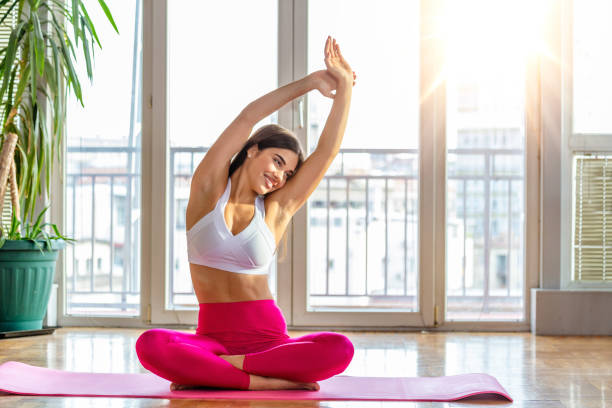
Send your hips behind you while your spine stays long, like a book leaning from the hips—not folding in the middle. Hamstrings should feel long but not frantic. Hands on a windowsill lighten the load so you can notice if your neck is helping too much.
A slow nose exhale at the bottom often keeps the pace calm. We pair hinges with easy marching so your body remembers how to stand tall after folding forward.
- Feet hip width, knees soft but not bent deeply.
- Ribs down, eyes on the middle distance.
- Hips reach until hamstrings speak; stop before the spine rounds.
- Return by pressing the floor away with whole feet.
Pushes, pulls, and happy shoulders
Push-ups ask chest and arms to work while shoulder blades glide on the ribcage. If a shoulder feels pinchy, we raise the hands, narrow the elbows slightly, or shorten the range—never push through sharp pain. Towel rows on a safely rigged door train the upper back after desk time; we always check which way the door swings before loading it.
We mix straight pulls with diagonal reaches so elbows and wrists do not repeat the same line all hour. Pick a towel texture that feels kind to your skin.
Walking strength and balance in real life
Walking lunges with a tall chest train balance in ankles and inner ear alike. A slow head turn while touching a wall for balance copies the look-over-shoulder moment before you merge with bike traffic. Carrying a book stack or water jug asks your sides to stay even.
We connect drills to daily Odense life: groceries upstairs, stepping off the bus, weaving through a busy market. Strength grows from steady practice across weeks—not one heroic hour.
Where research nudges our coaching
Studies on isometric holds and planks remind us to breathe steadily and avoid competitive breath-holding. We mention findings as context, not orders. If you want the sources, we keep a short reading list at the studio.
For lab-style performance testing, we send you to specialists with the right tools—we stay in the coaching lane.
Health and safety basics
Keep personal medications with you; coaches cannot give medicine. Dress in layers. Tell us before class if you are pregnant, healing from surgery, or feel unsure on your feet—we adjust spacing and demos. Please skip alcohol before balance work.
Outdoor walks pause in lightning; backup indoor sites are listed in your confirmation email. Attendance lists are kept for safety for up to 24 months, then deleted unless billing law requires longer—see the privacy policy.
FAQs
Will I be sore?
Muscle effort varies. We teach how to modulate volume; soreness is neither a goal nor a grade.
Do you use heart-rate monitors?
Optional only. Most feedback is conversational and movement-based.
Can teenagers attend?
15+ with guardian consent on file; younger visitors considered case by case.