First ten minutes
Welcome, group breath, name the theme. Mirrors optional; partner work only if everyone agrees.
Recreational group coaching in plain language—no machines, no medical advice. We teach squats, hinges, pushes, and carries for skill and confidence; we do not diagnose conditions or promise health results.
01.
Split squats: one leg learns at a time
With one foot forward and one back, each leg does real work—no machine to lean on. Your hips practice staying level, like carrying a tray through a doorway. That skill shows up on stairs, curbs, and bike stops. If a knee wobbles, we shorten the step or slow down until the movement feels steady again.
02.
Slow squats: feel the work without rushing
Taking three counts to lower keeps your thighs engaged without breathless jumping. You may feel warmth rather than winded. Breathing in through the nose at the top and easing air out on the hardest part helps your ribs stay quiet so your back does not over-arch when you stand.
We like a simple studio: wood floor, daylight, tea nearby. When there is no equipment to hide behind, you notice how you stand, breathe, and shift weight. Each masterclass blends three ideas—how the move works, how it should feel, and how to cool down—so the hour feels like learning a craft, not surviving a race.
Imagine a Saturday in Odense: windows open, kettle on, music soft. We start with easy ankle and hip wake-ups, then spend real time on split squats and slower squats so legs learn control on cobbles and stairs. You leave with short notes you can repeat on your own, at home or in a hotel room.
We do not promise miracle outcomes. We teach cues you can verify yourself—steady breathing, clearer balance drills, a warm-up that sets a calmer tone for the hour. How that feels day to day will differ for each person.

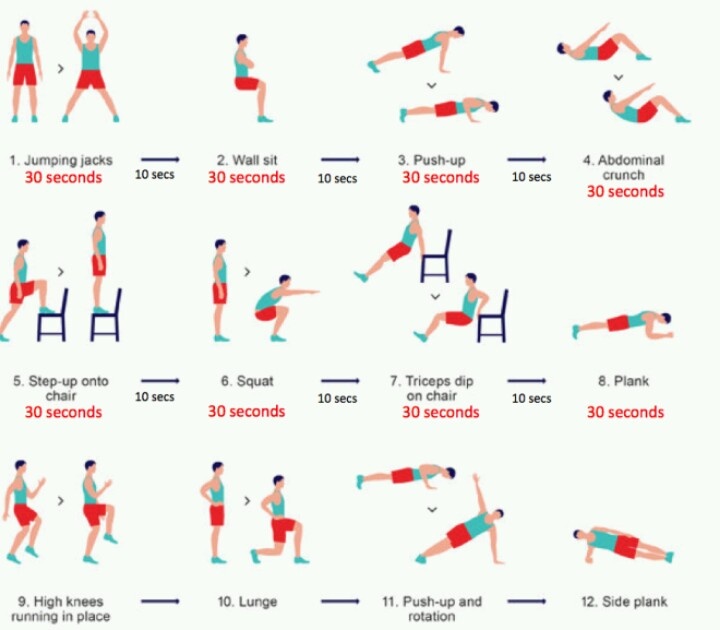
In a steady push-up, your chest and arms press while your shoulder blade stays gently spread on the ribcage. That helps the shoulder stay centered when you push. Your belly and hips stay quietly switched on so your lower back does not sag toward the floor.
In a dead bug, you lie on your back and reach opposite arm and leg while keeping ribs heavy. It teaches ribs and hips to cooperate while you breathe—useful when you stand up later and reach for something overhead.
We open with about six minutes of simple joint circles, easy walking lunges, and light mobility so ankles and hips feel awake. Then we teach one main skill for twelve minutes, add a second move that pairs well, and close with slow reaches and easy breathing so you leave grounded.
In the middle we might hold a calm squat position to feel legs working without bouncing, or slide side to side in a gentle lateral squat pattern. We tell you plainly what should feel like focused work and what should feel like exploration—no need to guess.
Welcome, group breath, name the theme. Mirrors optional; partner work only if everyone agrees.
One skill, clear sets—often two or three rounds of six to ten reps with a tempo written on the chalkboard.
Short matches, such as slow marching in place plus easy shoulder circles, keep the body curious without chaos.
Cool down, optional journal line, tea. Ask questions without standing on stage.
We talk like humans, not loudspeakers. Instead of yelling “brace your core,” we might say, “let your shirt buttons stay heavy while your collarbone stays light.” For hip hinges we picture the hips sliding back like sitting toward a tall chair—simple and easy to remember.
Sore wrists on the floor? Try fists on mats or hands on a low bench. Uneasy knees in lunges? Shorten the step or lift the front heel on a folded towel. Small tests for half a minute usually tell us what fits.
We skim public research on bodyweight strength, balance training, and short movement breaks during desk work. It shapes our wording—it is not a substitute for advice from your own health professional. For example, steady breathing during wall sits matters because breath-holding can make some people feel lightheaded.
We also plan for Danish weather: darker months mean balance work near a wall; brighter months mean longer walking lines by the harbor. Science shifts; we share paper titles in our small studio zine instead of claiming one study answers everything.
Towel, indoor shoes if you like them, water bottle, layers you can peel. A paper notebook beats a sweaty phone screen. We do not sell shakes or gadgets—bring a pen you enjoy using.
Unsure whether group exercise is right for you? Speak with a qualified health professional you trust. We offer recreational coaching, not medical care.
Eat lightly before class so you can focus. Sip water through the day instead of chugging right before floor work. Shoes with side support are fine; clean barefoot is fine too.
Tell the coach before we start if balance, hearing, vision, or a recent injury needs extra care—we adjust space, lights, and sound. First-aid kit and emergency numbers are posted. If you feel faint, sit, wave, and we pause the group. Outdoors near Mageløs we stay where bikes and people mix safely.
All times are Central European Time. Doors open fifteen minutes early for tea. Please book through the contact page; same-day walk-ins only if a seat opens.
Note: The table below is an illustrative planning calendar. Live availability, final session titles, and current prices are always confirmed in writing when you contact us—so advertising and this page stay aligned under Danish consumer and marketing rules.
| Date | Session | Focus | Format |
|---|---|---|---|
| 24 May 2026 | Harbor tempo morning | Split squats and marching carries | Outdoor, 75 minutes |
| 7 June 2026 | Studio hinge lab | Romanian deadlift pattern without bars | Indoor, 60 minutes |
| 21 June 2026 | Solstice slow flow | Breath-led mobility and floor strength | Mixed, 90 minutes |
| 5 July 2026 | Sketchbook Saturday | Creative locomotion lines | Outdoor, 70 minutes |
The Shepherdess and the Chimney Sweep, brand Detoxificationty.ddd, Mageløs 12, 2 th, 5000 Odense, Denmark. CVR: 38974947 (Danish Central Business Register).
No. We explain each shape slowly and give easier options. Newcomers: arrive five minutes early for a quick room tour.
No—it is movement coaching, not diagnosis or treatment. Ask your clinician about personal health questions.
We send fees, VAT if applicable, cancellation windows, and format details in writing (email or booking confirmation) before payment. If anything is unclear, ask first—we prefer no surprises.
We move under a nearby arcade or reschedule with at least 24 hours notice. Email is the fastest way to hear updates.
Classes are mostly in English; we can send short Danish notes on request.
Service type: Paid group masterclasses and occasional workshops in Odense focused on equipment-free strength and movement education for generally healthy adults. Content on this website is informational; it does not replace an in-person screening by a clinician.
Pricing and rules: Current fees, VAT if applicable, cancellation windows, and weather contingencies are provided in writing (email or booking confirmation) before you pay. Ask any question up front—we prefer clear expectations.
No performance or health guarantees: Strength, balance, and coordination change slowly and depend on sleep, stress, training history, and other factors outside our control. We do not claim that participation will produce any specific medical, athletic, or aesthetic outcome.
Data and marketing: Personal data is handled as described in our privacy policy; cookies and similar tools follow the cookie policy. Website use is governed by the terms of use. Electronic marketing to consumers follows the Danish Marketing Practices Act (markedsføringsloven) and GDPR consent rules where applicable.
Danish registered trader: CVR 38974947 — verify in the Central Business Register at datacvr.virk.dk.
Advertising (including Google Ads): We aim for the same business identity, service description, and “no guaranteed health outcome” limits on ads and on this site. If anything in an ad were unclear, this website and written confirmations before payment prevail.
Our registered name is The Shepherdess and the Chimney Sweep on Mageløs—a storybook nod in a bike-friendly city. CVR: 38974947. Call +45 22 37 66 63 on weekday afternoons or email message@detoxificationty.world. We answer with tea nearby.